

What to See at Sforza Castle
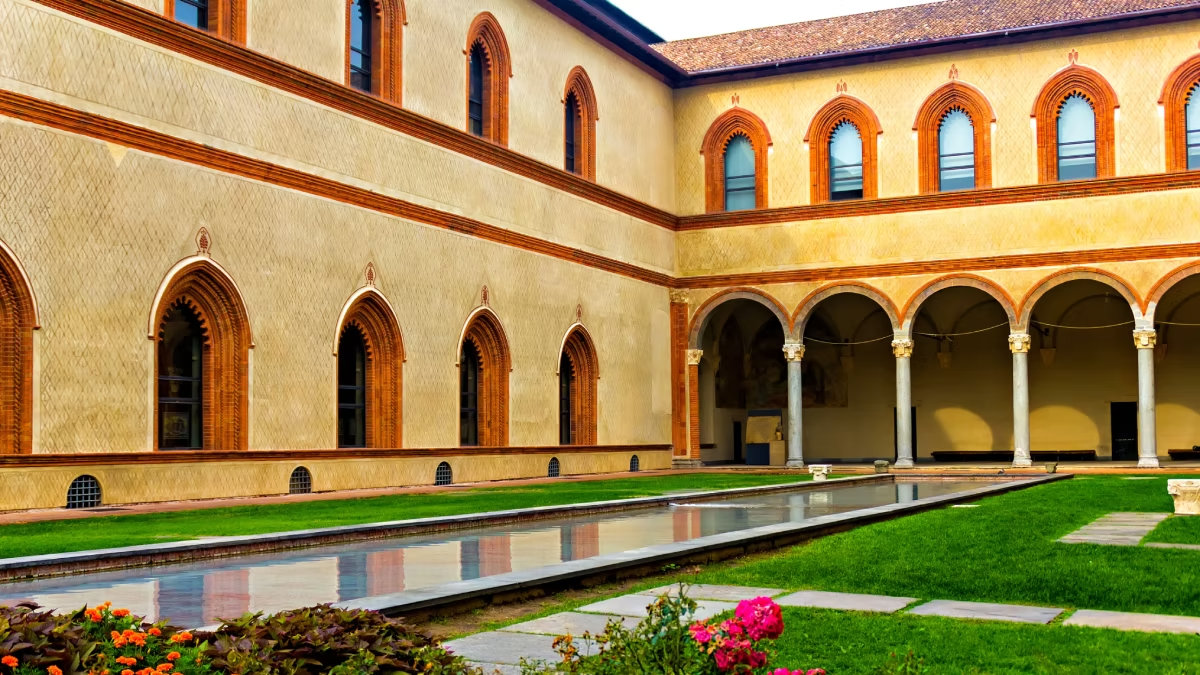
Sforza Castle houses world-class art collections, historic courtyards, and breathtaking views. Explore the essential galleries, sculptures, and architectural features that make this 15th-century fortress one of Milan’s most rewarding attractions. Whether you have an hour or a full day, discover the must-see highlights inside and out.
Top Highlights at Sforza Castle
The headline sights and experiences most visitors want to see first.
Sforza Castle Museums & Highlights
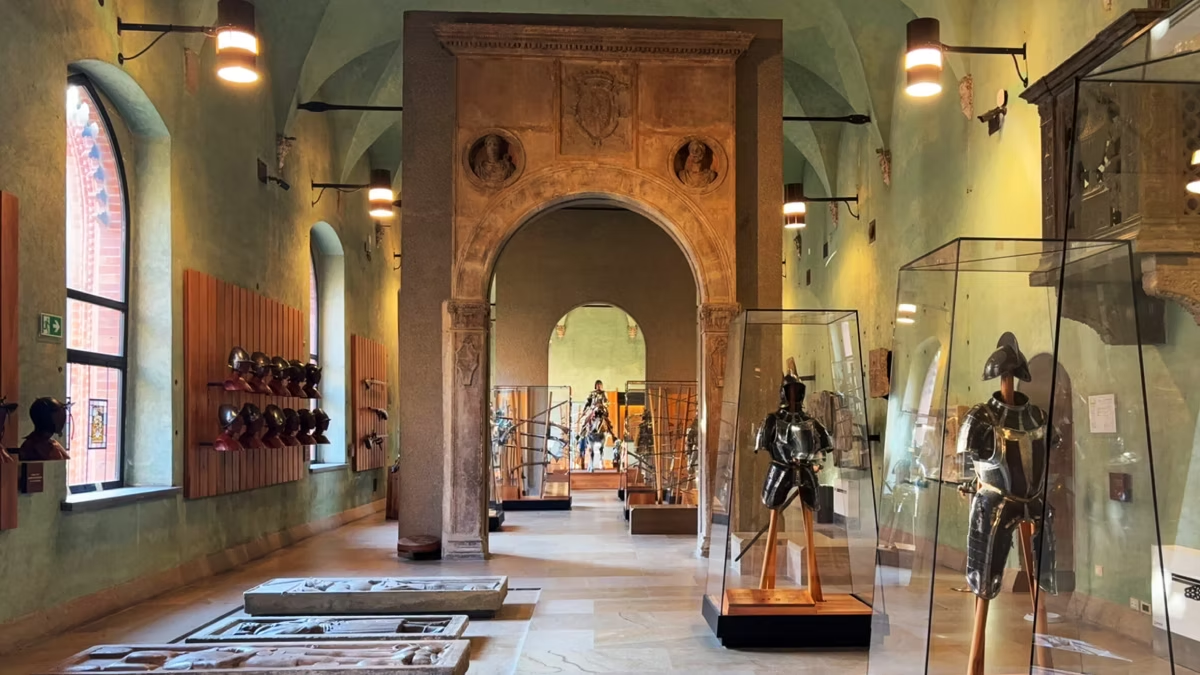
Sforza Castle’s combined museum ticket (around €5) unlocks Michelangelo’s Rondanini Pietà, Leonardo’s painted Sala delle Asse ceiling, and collections spanning ancient art to musical instruments — all inside a fortress you can partly explore for free.
Explore →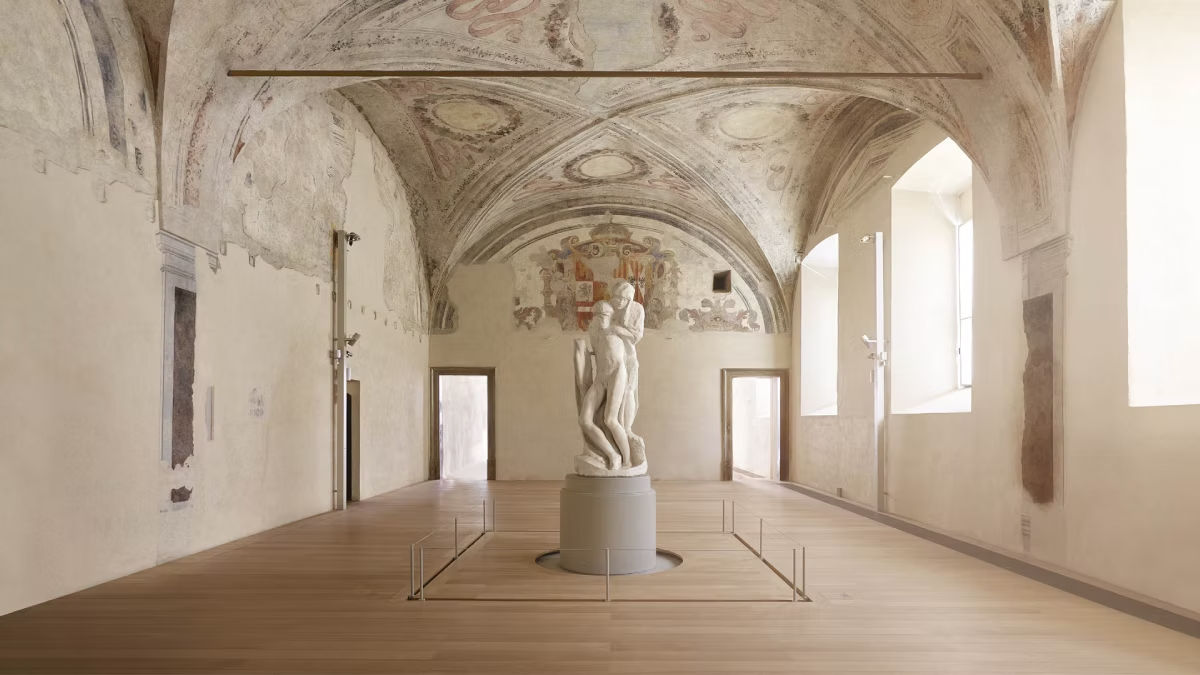
Rondanini Pietà: Michelangelo’s Final Work
Michelangelo’s last sculpture stands alone in a dedicated hall inside the former Spanish Hospital, its raw, unfinished forms unlike anything else he created. The abstract, elongated figures make this one of the most striking single works in Milan and a compelling reason to visit Sforza Castle’s museums.
Explore →Sforza Castle Through the Centuries
The castle’s history and surprising facts spanning over 650 years.
From Visconti Fortress to Modern Museum
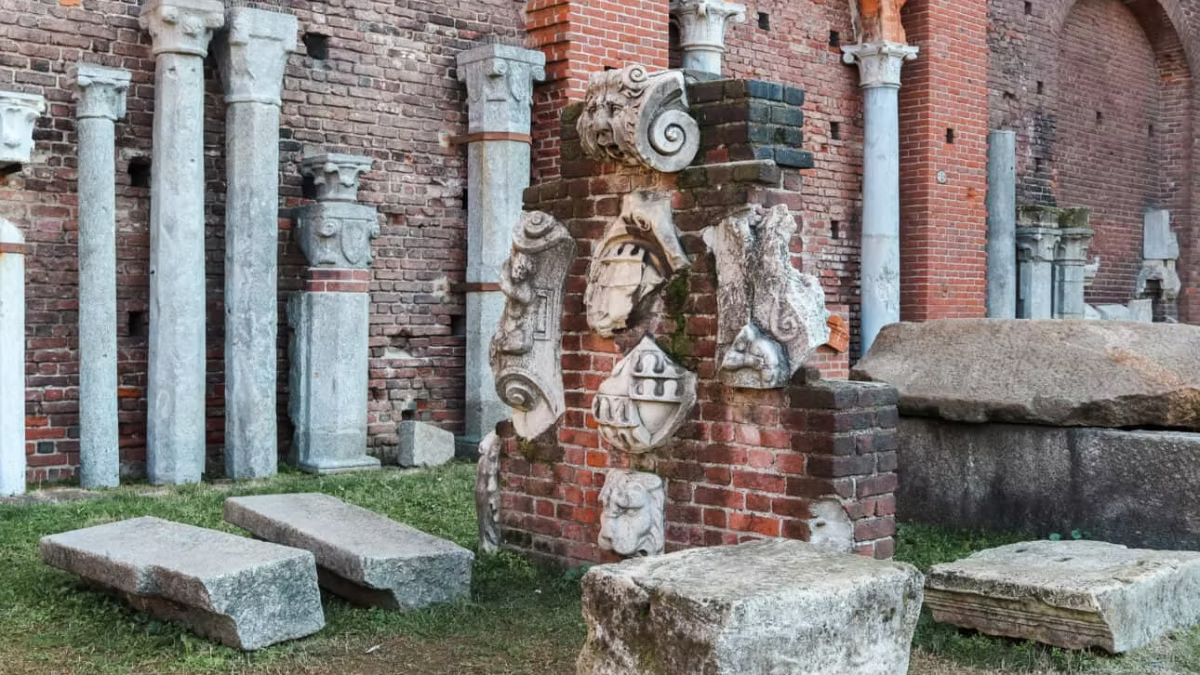
Trace Sforza Castle’s transformation from a 1358 fortress through Francesco Sforza’s 1450 rebuild and Ludovico il Moro’s golden age, ending with restoration in the 1900s. Understand how it became Milan’s most iconic landmark.
Read guide →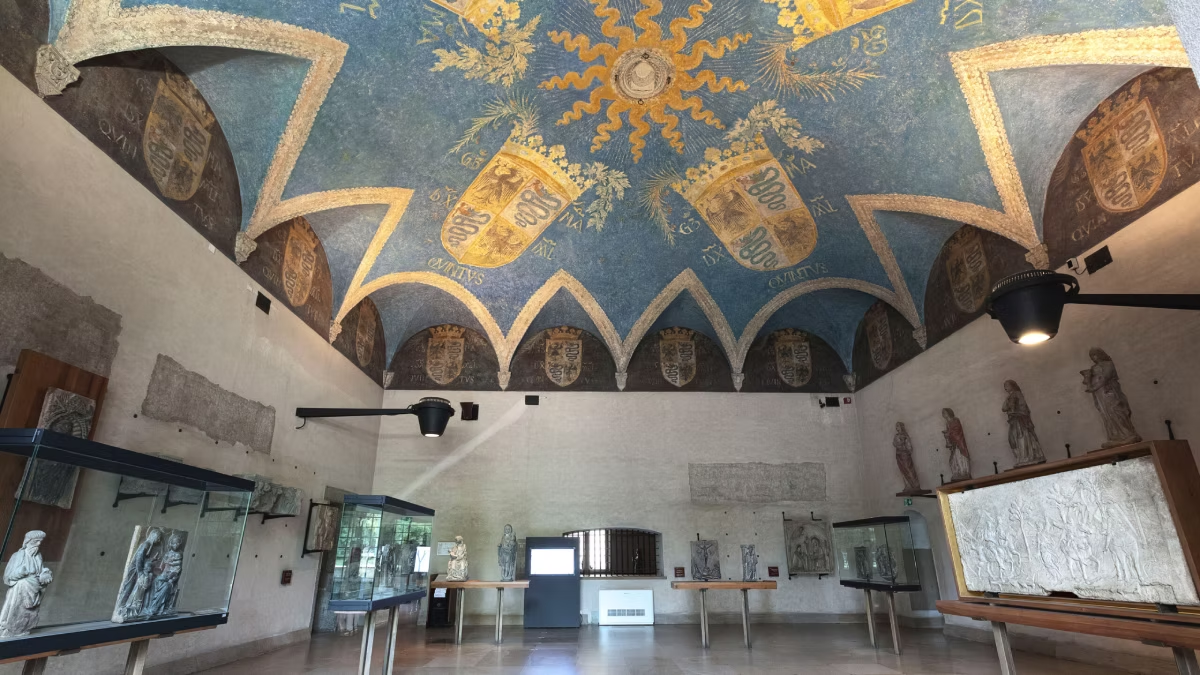
20 Sforza Castle Facts
Learn 20 essential facts about Sforza Castle, from its Visconti origins in 1358 through today. Uncover stories about Leonardo’s Sala delle Asse, Michelangelo’s Pietà, and the rebuilt Filarete Tower.
Read guide →Inside Sforza Castle’s Museums and Masterpieces
World-class collections and Leonardo da Vinci’s painted ceiling.
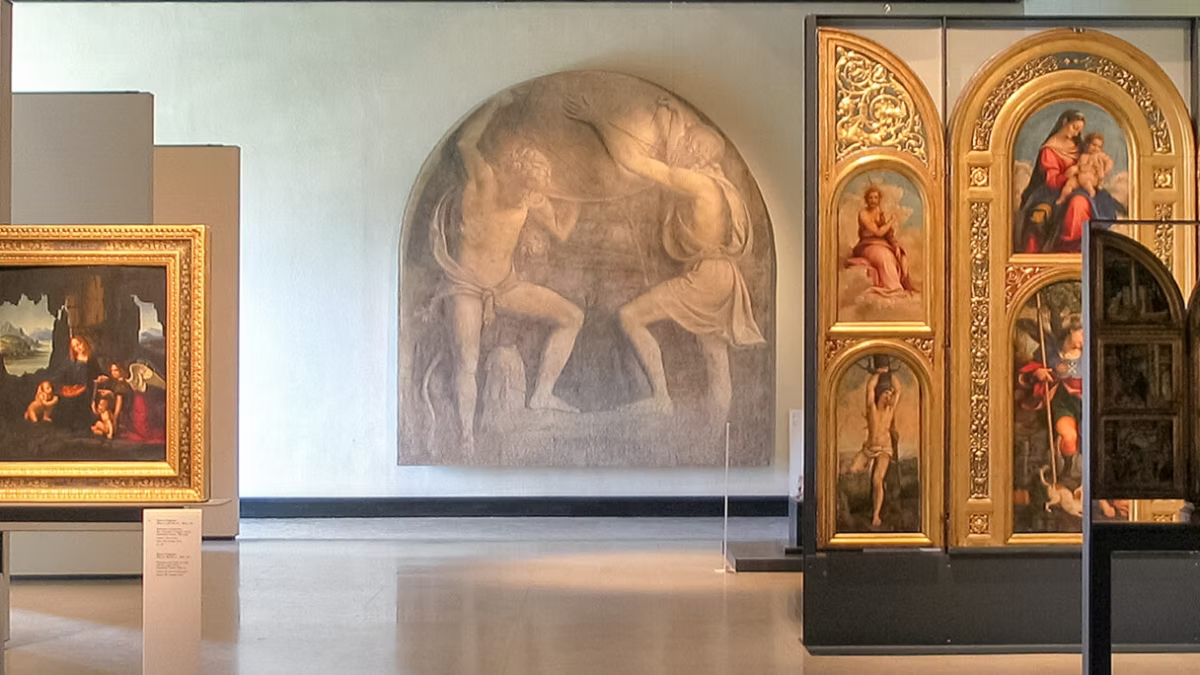
Sforza Castle Museums: Full Collection
A single ticket grants access to all museum collections, including the Rondanini Pietà and Egyptian antiquities. Learn what each collection contains and how much time to allocate for each section.
Read guide →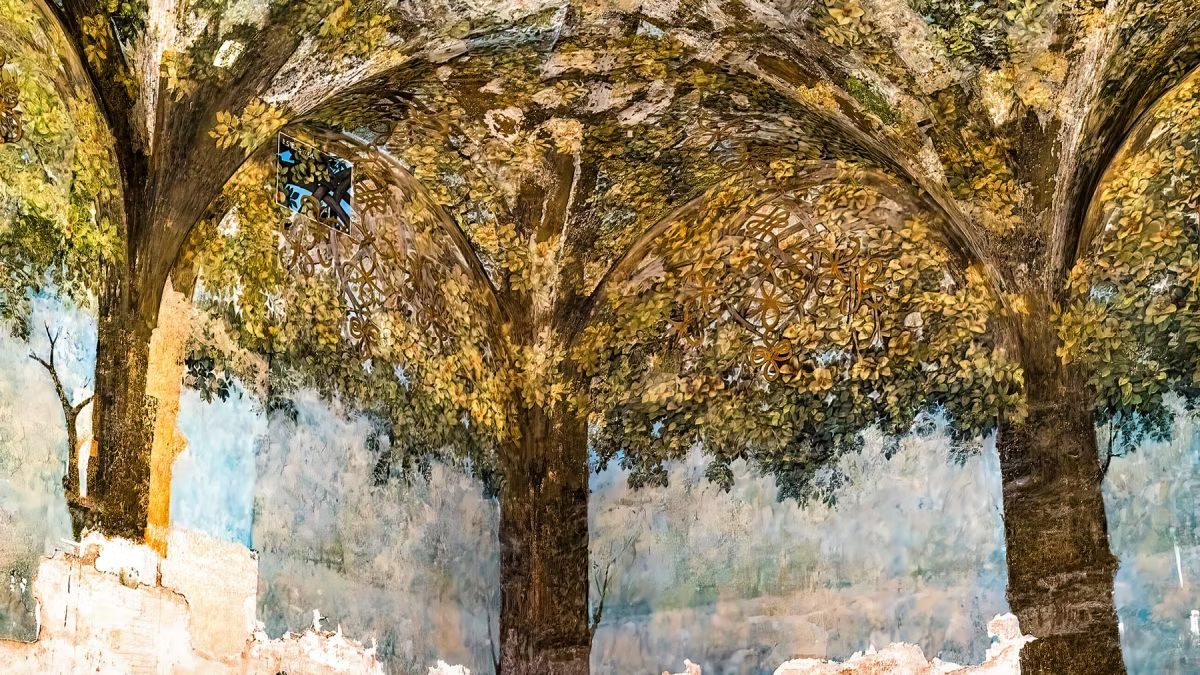
Sala delle Asse: Leonardo’s Room
Marvel at Leonardo da Vinci’s Sala delle Asse, featuring a painted canopy of mulberry trees, inside Sforza Castle. Note that this room frequently closes for restoration—verify opening hours before your visit.
Read guide →Sforza Castle’s Courtyards, Towers and Ramparts
The architectural landmarks you can explore on foot.
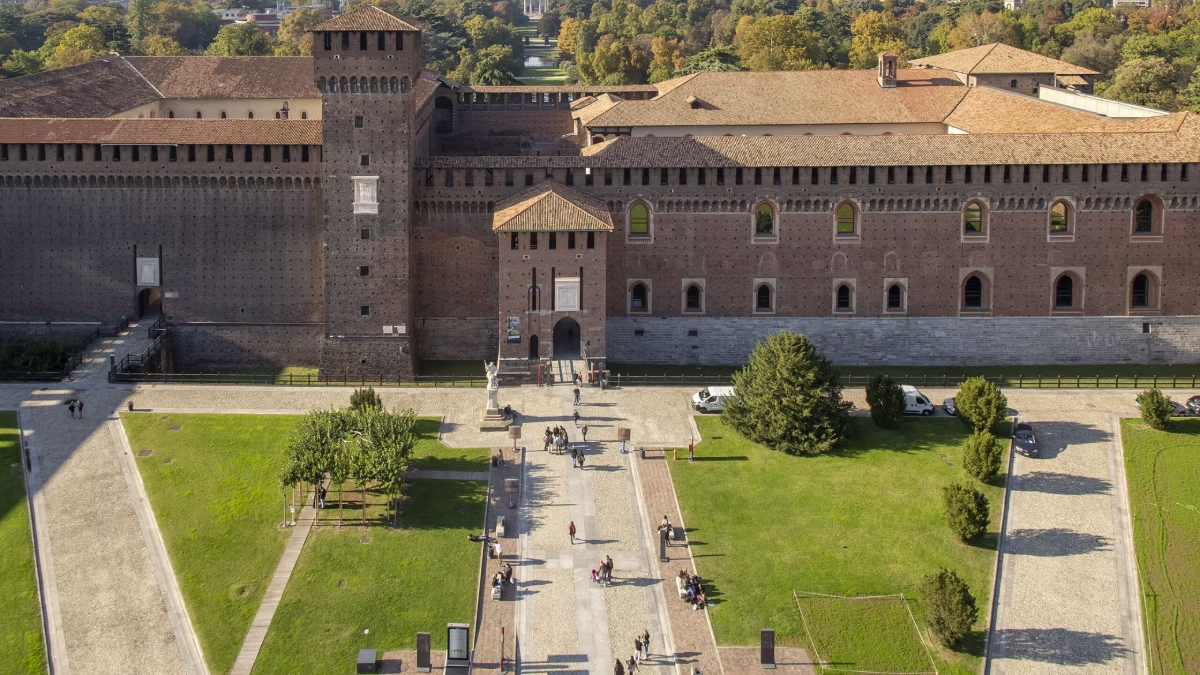
Free Courtyards: Piazza d’Armi & Rocchetta
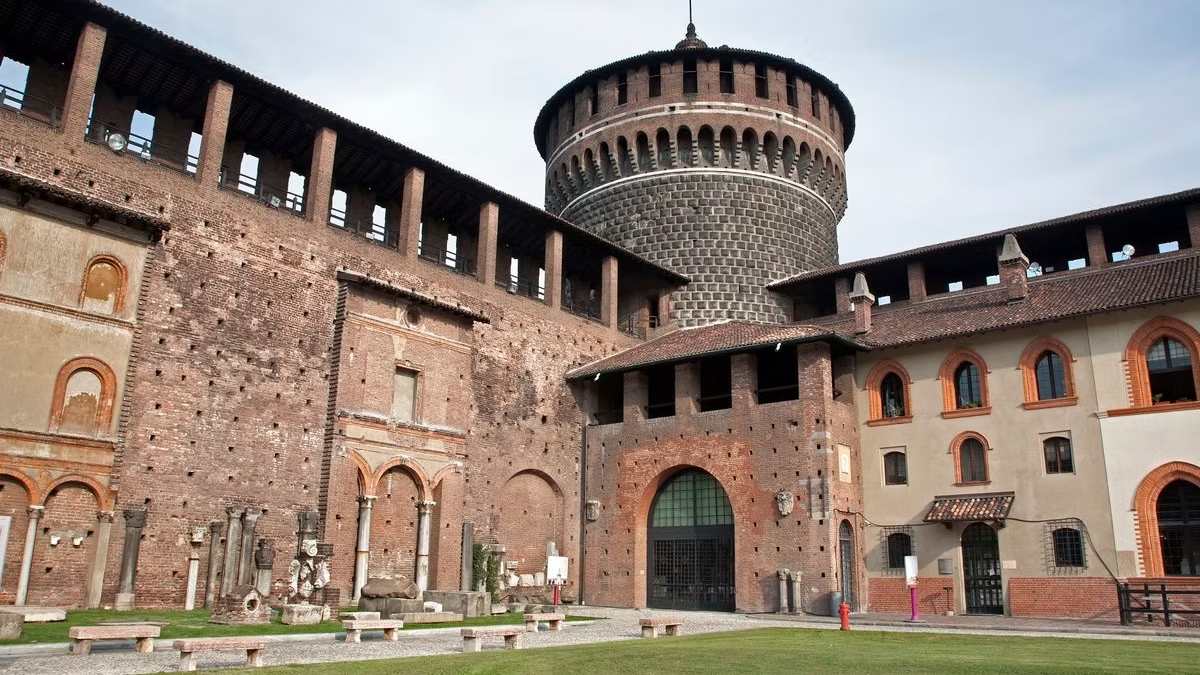
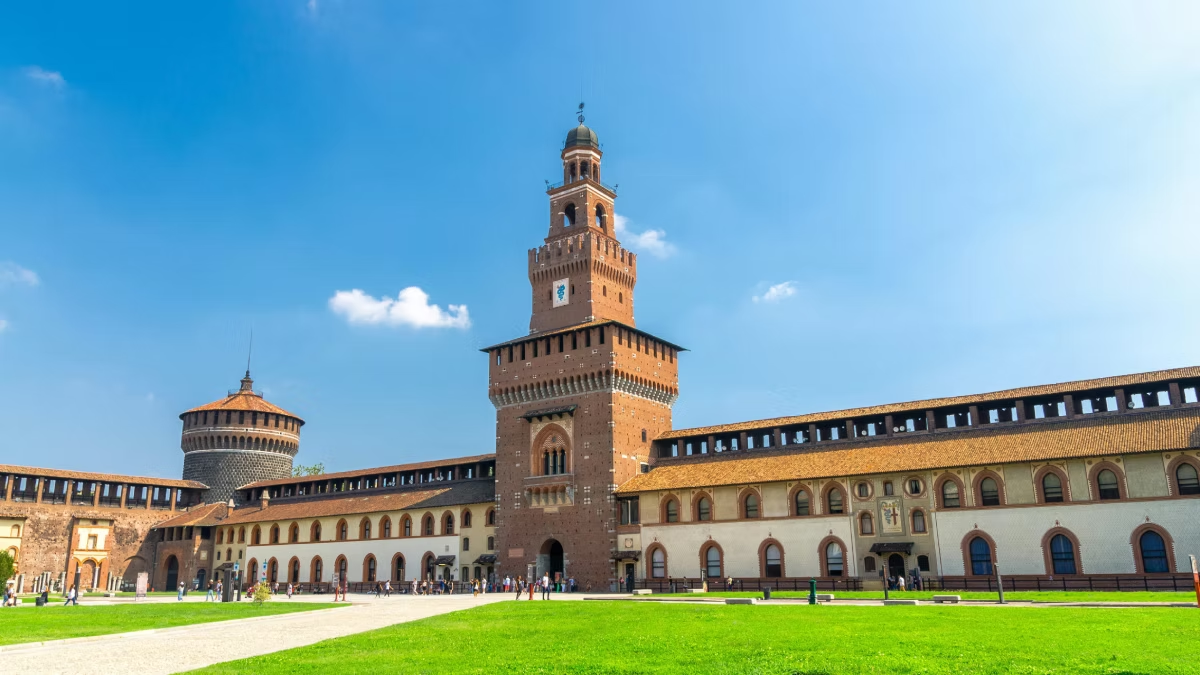
Sforza Castle’s three courtyards are free to explore, featuring Renaissance architecture, decorative fountains, and striking photo spots. Discover the layout, key architectural features, and the best vantage points for each courtyard.
Read guide →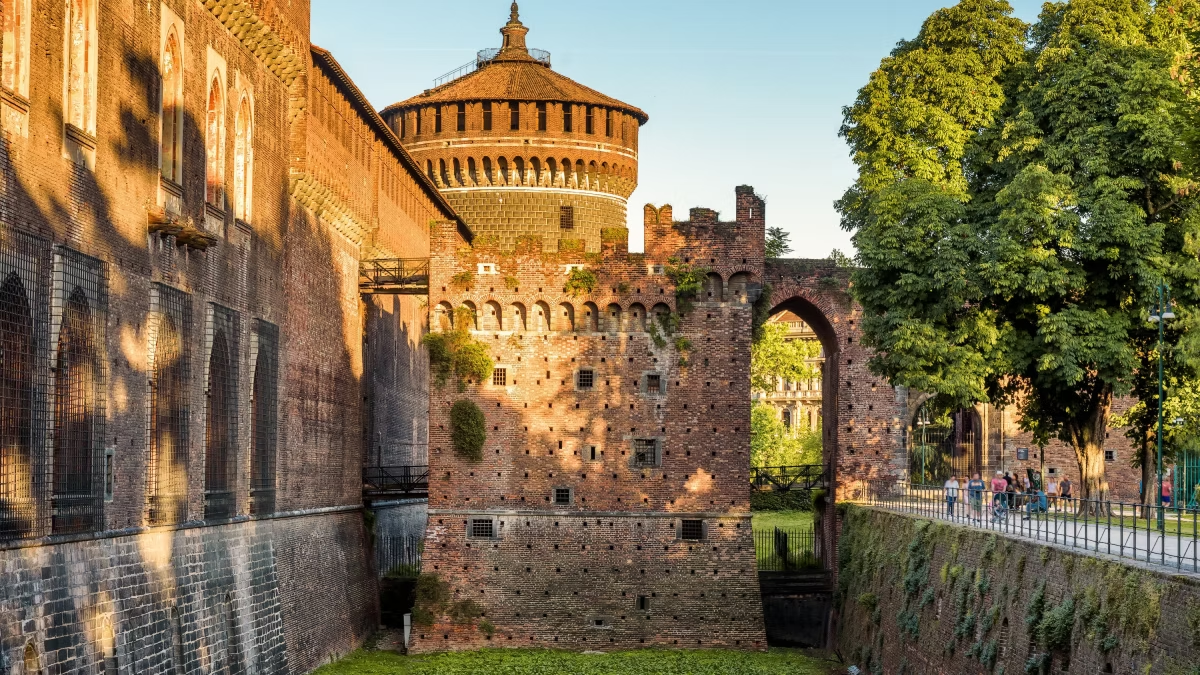
Castle Towers: Filarete, Bona & Bastions
Explore Sforza Castle’s distinctive towers, including the rebuilt Filarete Tower, the round Bona of Savoy Tower, and the corner bastions. Learn about each tower’s history and enjoy panoramic views across Milan.
Read guide →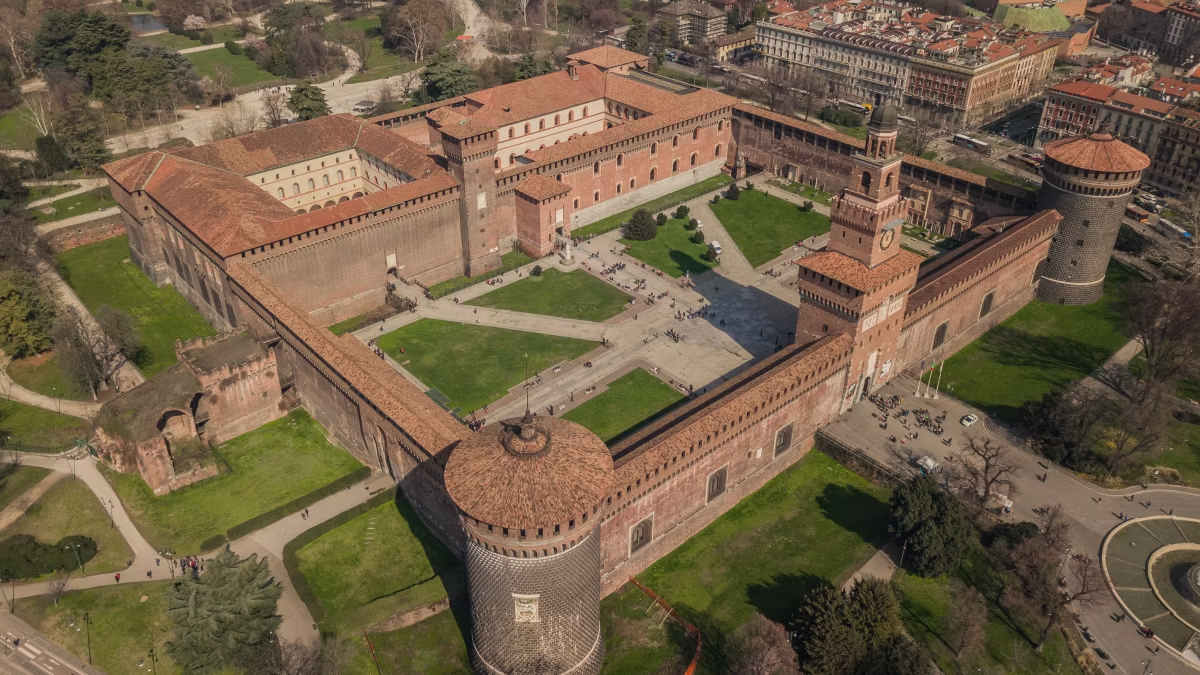
Ramparts & Ghirlanda Wall Walk
Walk Sforza Castle’s ramparts and Ghirlanda wall for striking views over the courtyards and the city beyond. Learn what’s open to visitors, what’s restricted, and how to safely navigate the walls.
Read guide →Beyond Sforza Castle’s Walls
The park and triumphal arch stretching behind the castle.
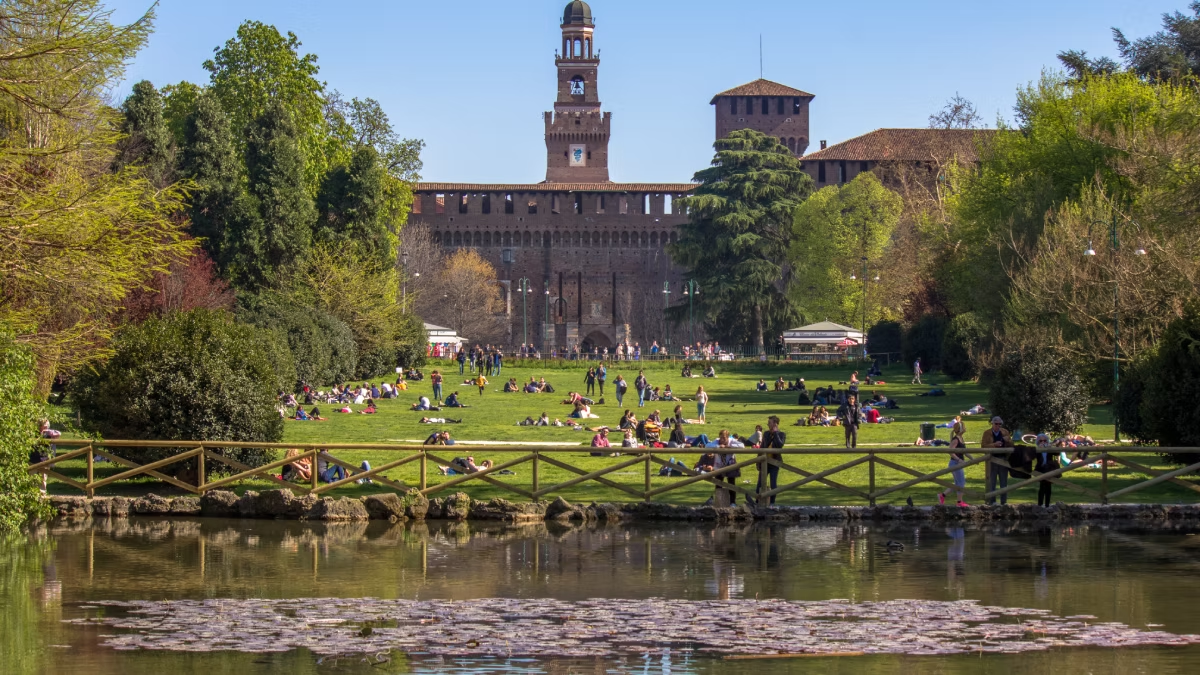
Parco Sempione & Arco della Pace
Milan’s largest park sits directly behind Sforza Castle, offering a lake, the iconic Arco della Pace, Torre Branca, and the Triennale museum—all free to explore. Perfect for extending your castle visit.
Read guide →How to Choose What to See at Sforza Castle
A quick guide based on your interests and visit style.
Only Have One Hour
Focus on the free areas and one unmissable masterpiece to make the most of a short visit.
- Walk through Piazza d’Armi and the Rocchetta courtyard — free and photogenic
- Head straight to the Rondanini Pietà — Michelangelo’s haunting final sculpture
- Snap the Filarete Tower from the front square before you leave
First Time in Milan
Get the full picture of Sforza Castle with a route that hits every highlight without museum fatigue.
- Begin in the free courtyards to appreciate the sheer scale of the fortress
- Buy the combined museum ticket and see the Rondanini Pietà and Sala delle Asse back to back
- Finish with a stroll through Parco Sempione to the Arco della Pace
Art and Architecture Lovers
Sforza Castle holds two Renaissance masterpieces most visitors don’t realize are here — plan around them.
- Spend time with Leonardo da Vinci’s painted tree canopy in the Sala delle Asse — one of only a handful of his surviving murals
- Compare it with Michelangelo’s unfinished Pietà, raw and radically modern for the 1560s
- Walk the ramparts and Ghirlanda wall to see the military architecture up close
- Dive into the full museum collections — Egyptian antiquities, musical instruments, and medieval arms
Visiting With Kids
Skip the painting galleries and focus on the parts of the castle that feel like a real fortress.
- Explore the towers and bastions — kids love climbing the Filarete Tower
- Let them run in the courtyards, which are wide open and free to enter
- Walk the castle ramparts for views that make the fortress feel real
- Cool down afterward in Parco Sempione — there’s a lake, playground, and gelato nearby
Continue Exploring Sforza Castle
Book your tickets and plan the practical details of your visit.
Frequently Asked Questions
Common questions about what to see and prioritise.