

How Long to Spend at Sforza Castle: 2026 Visit Time Guide
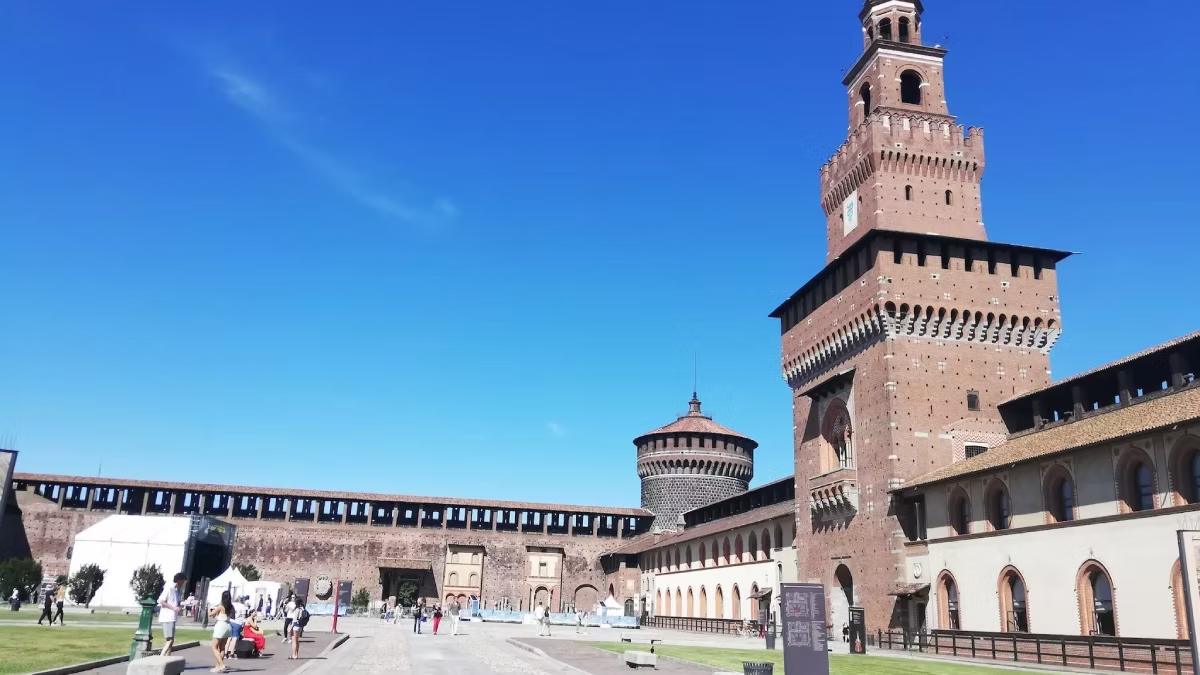
A quick free walk through the courtyards takes 30–45 minutes. Add the Rondanini Pietà and one other museum and budget about 1 hour. Seeing the full museum complex properly takes 2.5–3 hours, and adding the ramparts, grounds, and a stroll into Parco Sempione can turn a castle visit into a half-day out.
Sforza Castle doesn’t have one right answer for “how long,” because it isn’t one attraction — it’s a free public square and set of walls wrapped around a paid museum complex, and how long you need depends on which of those you’re doing. Someone popping in on the way to Parco Sempione needs a fraction of the time of someone working through the Pinacoteca, the Rondanini Pietà, and the Egyptian Museum in one visit.
This guide breaks down realistic time estimates by interest level, shows where the time actually goes once you’re inside, and gives sample itineraries for a rushed stop and a relaxed half-day, so you can budget your visit accurately instead of guessing.
Time Estimates at a Glance
| Type of visit | Time needed | Cost |
|---|---|---|
| Quick courtyard stroll (free grounds only) | 30–45 minutes | Free |
| Rondanini Pietà + one other museum | About 1 hour | Combined museum ticket |
| Full museum complex (all collections) | 2.5–3 hours | Combined museum ticket |
| Grounds + ramparts + Parco Sempione | Add 45–90 minutes | Free |
These are walking-and-looking times for an interested but not obsessive visitor. Photographers, history buffs who read every panel, and families with young children should all add time on top.
A Quick Free Courtyard Stroll (30–45 Minutes)
If you only want to see the castle itself — not the museums — plan 30 to 45 minutes to walk in through the Filarete Tower, cross Piazza d’Armi, look into the Corte Ducale and Rocchetta, and walk back out. This costs nothing and needs no ticket.
This is the option most visitors don’t realize exists: the castle’s courtyards, ramparts, and grounds are entirely free and open daily, and you don’t need a museum ticket to experience the building itself. In half an hour you can walk under the Filarete Tower, cross the vast Piazza d’Armi parade ground, glance into the smaller Corte Ducale and Rocchetta courtyards, and get a real sense of the scale of one of Europe’s largest citadels. Give yourself closer to 45 minutes if you want to pause for photos, read a few of the outdoor information panels, or walk a stretch of the exterior moat and ramparts before heading out toward Parco Sempione. This is the right pace for a stopover on the way to the Duomo or Last Supper, or for anyone traveling on a tight schedule.
Rondanini Pietà + One Museum (About 1 Hour)
Seeing Michelangelo’s Rondanini Pietà along with one other collection — the Pinacoteca or the Museum of Musical Instruments, for example — takes about an hour, including the walk between rooms. This is a good middle option if you want a highlight, not the whole complex.
If a full 2.5-hour museum crawl doesn’t fit your schedule but you still want to see the castle’s single most famous artwork, budget about an hour for the Rondanini Pietà, Michelangelo’s last and unfinished sculpture, housed in the former Spanish Hospital wing. Most visitors spend 10–15 minutes with the Pietà itself, since the room is designed for quiet, unhurried viewing, then use the rest of the hour on one additional collection — the Pinacoteca’s paintings, the Museum of Musical Instruments, or the Egyptian Museum are all popular pairings. Because the Pietà and every other museum share the same combined ticket, there’s no extra cost for adding a second collection; the only variable is your time. Our guide to the Pietà Rondanini tour covers the guided option if you’d rather have context provided than work it out from the wall text.
The Full Museum Complex (2.5–3 Hours)
Seeing everything covered by the combined museum ticket — the Museum of Ancient Art, the Rondanini Pietà, the Pinacoteca, the Museum of Decorative Arts, the Museum of Musical Instruments, the Egyptian Museum, the Prehistoric collections, and the Sala delle Asse when open — takes a realistic 2.5 to 3 hours.
The combined ticket is genuinely good value at around €5, but it only pays off in experience if you use the time it buys you. The Museum of Ancient Art and the Rondanini Pietà sit together and form a natural start; the Pinacoteca’s paintings are the next-largest block and reward a slower pace if you enjoy Renaissance and Baroque art; the Museum of Decorative Arts, Musical Instruments, Egyptian Museum, and Prehistoric collections are each smaller but add up across the full circuit. If the Sala delle Asse is open — it’s frequently closed for restoration, so check the official site before counting on it — add another 15–20 minutes for Leonardo da Vinci’s ceiling. Three hours lets you move through all of this without rushing any single room; two and a half is workable if you’re comfortable skimming the smaller collections. Trying to do it in under two hours generally means skipping something you’d have wanted to see.
Grounds, Ramparts, and Parco Sempione
Beyond the museums, the castle’s exterior is worth its own time. Walking a stretch of the ramparts (the Ghirlanda) and the corner bastions adds 20–30 minutes, and the grounds connect directly to Parco Sempione behind the castle, Milan’s largest central park, with the Arco della Pace at its far end. Add 45–90 minutes if you want to walk into the park, and more if you plan to linger there — it’s a genuinely pleasant green space, not just a shortcut between sights. None of this requires a museum ticket, so it’s easy to add on regardless of whether you go inside the collections, and it’s a good way to fill time before the museums open or after they close at 5:30 PM.
How the Combined Ticket Rewards a Longer Visit
Because one roughly €5 ticket covers every museum in the complex, spending more time inside costs nothing extra — the ticket’s value scales directly with how much of it you actually see.
Sforza Castle’s pricing structure quietly encourages a longer visit: you pay once for the combined museum ticket regardless of whether you see one collection or all seven, so the more time you give it, the better the value gets. A visitor who ducks in for just the Rondanini Pietà and leaves gets a fine but modest return on the ticket price; a visitor who spends the full 2.5–3 hours working through the Pinacoteca, the Egyptian Museum, and the rest gets substantially more for the same €5. There’s no tiered pricing to navigate and no reason to ration your time to “get your money’s worth” from a specific room — the incentive runs the other way, toward staying longer. See our ticket prices guide for the full breakdown of what the combined ticket includes.
Sample Time Budgets
Rushed visit (about 1 hour total): Walk in through the Filarete Tower and across Piazza d’Armi (10 minutes), head straight to the Rondanini Pietà (15 minutes), swing through the Pinacoteca’s highlights or the Museum of Ancient Art (25 minutes), and exit toward Parco Sempione or your next stop (10 minutes). This works if you’re combining the castle with the Duomo and the Last Supper in one Milan day.
Relaxed half-day (3.5–4 hours): Arrive at opening, start with the free courtyards and a walk along part of the ramparts (30–45 minutes), move into the museums and take the full 2.5–3 hours across the Rondanini Pietà, Pinacoteca, Egyptian Museum, and the rest, then finish with a walk into Parco Sempione toward the Arco della Pace (30–45 minutes) and a coffee stop. This pace suits travelers who want the castle to be the day’s main focus rather than a stop along the way.
Where the Time Actually Goes
Most first-time visitors underestimate two things: the size of Piazza d’Armi, which alone can take 5–10 minutes to simply walk across, and the Pinacoteca, which is the largest single collection and easy to spend 45 minutes in if you’re reading labels. The Rondanini Pietà room is small and moves quickly even with a crowd, so it rarely bottlenecks a visit. Queuing for tickets is usually brief outside of peak season and free Sundays, but a reserved entry ticket avoids even that short wait on a busy day. If your window is tight, prioritize the Rondanini Pietà and the Pinacoteca first and treat the smaller specialist museums as bonus time rather than must-sees.
Combining With Nearby Sights
Sforza Castle sits about a 10-minute walk from the Duomo and Galleria, and about 15 minutes from Santa Maria delle Grazie, home to Leonardo’s Last Supper — though that requires its own separately timed, hard-to-book ticket, so plan it first if it’s a priority. A common full-day pattern is: Last Supper in the morning (booked well ahead), the castle and Parco Sempione at midday, then the Duomo and Brera district in the afternoon or evening. If you’re pairing the castle directly with the Last Supper, our Last Supper combo tour guide covers a guided option that links the two on one ticket. Building in the castle’s time estimates above against these neighboring sights is the easiest way to avoid an overstuffed itinerary.
Frequently Asked Questions
How long should I spend at Sforza Castle?
It depends on what you want to see. Budget 30–45 minutes for just the free courtyards and grounds, about an hour if you add the Rondanini Pietà and one museum, and 2.5–3 hours for the full museum complex. Add 45–90 minutes more if you want to walk the ramparts and Parco Sempione.
Is 30 minutes enough for Sforza Castle?
Thirty minutes is enough to walk through the free courtyards, see the Filarete Tower, and cross Piazza d’Armi, but it’s not enough time to visit any of the museums properly. If you only have 30 minutes, stick to the grounds rather than trying to rush a museum visit.
Can I see Sforza Castle in one hour?
Yes, but you’ll need to be selective. One hour is enough for a walk through the courtyards plus a focused visit to the Rondanini Pietà and one other museum, but not the full seven-collection complex. Prioritize the Pietà and skip the smaller specialist museums if time is tight.
How long does it take to see the whole museum complex?
A realistic full visit to all the museums — Ancient Art, the Rondanini Pietà, the Pinacoteca, Decorative Arts, Musical Instruments, the Egyptian Museum, and the Prehistoric collections — takes 2.5 to 3 hours. Add 15–20 minutes more if the Sala delle Asse is open.
Is the Rondanini Pietà worth a special visit if I’m short on time?
Yes. It’s Michelangelo’s last, unfinished work and the single most requested sight in the complex, and it only takes 10–15 minutes to see properly. Pairing it with one other museum makes for a satisfying visit in about an hour.
Should I visit the grounds even if I don’t have time for the museums?
Absolutely — the courtyards, ramparts, and grounds are free and open daily, so there’s no reason to skip them even with just 30 minutes to spare. They give a real sense of the castle’s scale without needing a ticket at all.
Does buying the combined ticket mean I should stay longer?
It’s worth it if you can. Since the combined museum ticket costs the same whether you see one collection or all of them, spending more time inside gets you more value for the same roughly €5 price, with no extra cost for staying longer.
How much time should I add for Parco Sempione?
Plan 45–90 minutes if you want to walk into Parco Sempione behind the castle and reach the Arco della Pace, more if you plan to relax there rather than just pass through. This is separate time from the castle visit itself and doesn’t require any ticket.
Can I combine Sforza Castle with the Duomo and Last Supper in one day?
Yes, and many visitors do. The Duomo is about a 10-minute walk away and Santa Maria delle Grazie (Last Supper) about 15 minutes, so a rushed castle visit of around an hour fits comfortably alongside both — just book the Last Supper ticket well in advance since slots sell out.
What’s the biggest time-planning mistake at Sforza Castle?
Underestimating the size of Piazza d’Armi and the Pinacoteca. Visitors often budget time for “the castle” as if it were a single small sight, then find the courtyard alone takes 10 minutes to cross and the largest museum collection needs 45 minutes on its own.
