

Best Time to Visit Sforza Castle: Crowds, Seasons & Hours
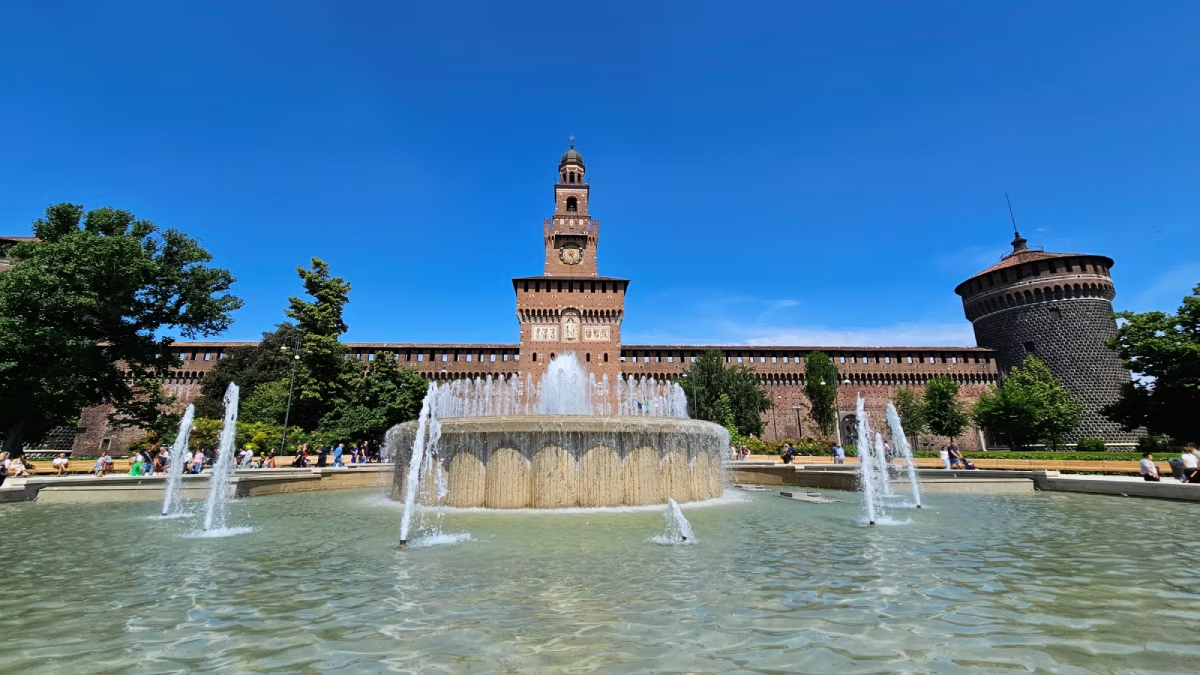
The best time to visit Sforza Castle’s museums is a weekday morning right at the 10:00 AM opening, before tour groups and free-Sunday crowds arrive. For the free courtyards and grounds, early morning or the hour before closing gives the best light and the fewest people. Spring and fall offer the most comfortable weather; avoid Mondays, when the museums are closed, unless you only want the free outdoor spaces.
Sforza Castle rewards a little timing. The free courtyards are pleasant almost any time you show up, but the ticketed museums — including Michelangelo’s Rondanini Pietà — get genuinely crowded at predictable moments, and a few honest scheduling mistakes (arriving on a Monday, showing up on the free first Sunday expecting a quiet visit) are easy to avoid once you know the pattern.
This guide covers the best time of day, the best and worst days of the week, how the seasons change the experience, and how to time your visit around the Rondanini Pietà, photography, and Milan’s event calendar.
Best Time of Day
For the museums, arrive close to the 10:00 AM opening on a weekday — you’ll beat both the tour groups and the midday rush. For the free grounds, early morning or the evening hour before closing is quieter and better lit, and it works even on days when the museums are shut.
The museums fill up gradually through the day. The calmest window is the first half-hour after the 10:00 AM opening, before coach groups and school parties settle in; the crowd builds through late morning and stays fairly steady into the afternoon. If a morning visit isn’t possible, the last hour or so before the 5:00 PM last entry is a reasonable second choice — it’s thinner than midday, though you’ll be moving at a brisker pace since staff start closing galleries as 5:30 PM nears.
The grounds behave differently, since they’re free and open long hours daily. Early morning, soon after the 7:00 AM opening, is genuinely peaceful — mostly locals walking dogs or cutting through toward Parco Sempione — and the low sun on the Filarete Tower and the brick courtyards is a good reason on its own to come early. The hour before the grounds close (around 6:00–7:30 PM depending on season) is the other quiet window, with soft evening light and far fewer visitors than midday. For hour-by-hour opening details, see our guide to Sforza Castle’s opening hours.
Best and Worst Days of the Week
Tuesday through Thursday mornings are the quietest days for the museums. Weekends, especially Saturday, bring more visitors. Mondays the museums are closed entirely, so plan an outdoor-only visit or pick a different day. The first Sunday of the month is free for the museums and is consistently the busiest day of the month.
Monday is the one day to plan around carefully: the museums are closed, full stop, though the courtyards and ramparts stay open as usual. If a Monday is your only free day in Milan, treat it as a grounds-and-photography visit rather than a museum day, and consider pairing it with a nearby sight like the Duomo instead.
Among the open days, early-to-mid week (Tuesday to Thursday) tends to be calmer than the weekend, when both tourists and local families turn out. The busiest single day by far is the first Sunday of the month, when the museums are free — a fair trade for the budget, but the galleries and the Rondanini Pietà room in particular can feel crowded, and lines for tickets can build before opening. If you’re going on a free Sunday, arrive right at 10:00 AM and expect company. Our guide to free entry covers who qualifies and when.
Seasonal Patterns
Spring (April–May) and fall (September–October) offer the most comfortable weather and reasonably manageable crowds. Summer (June–August) is hot, busier with tourists, and brings evening events to the grounds. Winter (November–March) is quieter but has shorter grounds hours and cooler, sometimes wet weather.
Spring and fall are generally the sweet spot: mild temperatures, decent daylight, and crowd levels that are busy but not overwhelming. These months are a reasonable default if your travel dates are flexible.
Summer brings the heat — Milan can get uncomfortably warm and humid in July and August, and the shadeless Piazza d’Armi has little relief in the middle of the day, so an early or evening visit matters more than ever. Summer is also when the castle and Parco Sempione host outdoor concerts and events, which is a plus if that’s what you’re after but can mean partial access to some grounds areas and heavier evening foot traffic near the castle. The grounds also keep their longest hours in summer (until about 7:30 PM), which helps spread out visits.
Winter is the quietest season for tourism overall, and the museums keep the same hours year-round, so a winter weekday morning can be one of the calmest times to see the Rondanini Pietà. The trade-off is shorter grounds hours (closing around 6:00 PM instead of 7:30 PM), cooler and occasionally rainy weather, and less daylight for outdoor photography. Dress for the cold if you’re walking the ramparts.
Avoiding Crowds at the Rondanini Pietà
The Rondanini Pietà, Michelangelo’s last and unfinished work, sits in its own dedicated room in the former Spanish Hospital and is understandably one of the most visited parts of the museums — it draws a steady flow of visitors all day, and that flow thickens noticeably on free Sundays and weekend afternoons. Because the room is compact, even moderate visitor numbers can make it feel busy.
The most reliable way to see it with some space is to head there first, right after the 10:00 AM opening, before the room fills — most visitors work through the museum in a different order and arrive at the Pietà later in their visit. A guided Pietà Rondanini Tour can also help, since a guide will typically time the route to avoid the worst of the crush and add context you’d otherwise miss. Weekday mornings outside the first-Sunday free period are consistently the calmest option.
Combining a Visit with Light and Photography
The castle’s brick facades and the Filarete Tower photograph best in the low, warm light of early morning or the couple of hours before sunset, when the angle brings out the texture of the brickwork rather than flattening it under midday sun. The courtyards — Piazza d’Armi, Corte Ducale, and the Rocchetta — are all worth circling at different times of day, since the light shifts which corners catch shadow. Because the grounds are free and open long hours, there’s no ticket pressure keeping you to a single visit; a quick return trip at a different hour, especially at golden hour in the evening, is easy to fit into a Milan itinerary. Evenings in the warmer months, when the grounds stay open until 7:30 PM, are particularly good for this. For more on what’s inside each courtyard, see our guide to the courtyards.
Visiting During Events
Milan uses the castle grounds and Piazza d’Armi for concerts, festivals, and public events, especially in the summer months. These can be a good reason to visit in the evening, but they also mean heavier crowds around the castle, occasional restricted access to parts of the grounds, and different closing arrangements than a typical day. If your visit coincides with a known event, check the official Comune di Milano or Castello Sforzesco site ahead of time for that day’s specific hours and any access changes — event days are the one situation where the usual “early morning or evening” advice may not apply.
Frequently Asked Questions
What is the single best time to visit Sforza Castle?
For the museums, a weekday morning right at the 10:00 AM opening is the best combination of manageable crowds and full opening hours. For the free grounds alone, early morning or the hour before closing offers the calmest, best-lit experience.
What day should I avoid visiting Sforza Castle?
Avoid Monday if you want to see the museums, since they’re closed that day — the grounds stay open, but you’ll miss the Rondanini Pietà and the rest of the collections. The first Sunday of the month, while free, is also worth avoiding if your priority is a quiet visit rather than saving money.
Is Sforza Castle less crowded in the morning or afternoon?
Mornings, particularly the first half-hour after the 10:00 AM museum opening, are noticeably calmer than the afternoon. Crowds build through late morning and stay fairly steady until closing, with a modest dip in the final hour before last entry.
What is the best season to visit Sforza Castle?
Spring (April–May) and fall (September–October) offer the most comfortable weather and reasonably balanced crowd levels. Summer is hot and busier, especially with evening events, while winter is quieter but has shorter grounds hours and cooler weather.
Is the first Sunday of the month a good time to visit?
It’s a good time if your priority is a free museum ticket, but it is consistently the busiest day of the month, especially around the Rondanini Pietà. If you’d rather see the collections with fewer people, choose a different weekday and pay the modest museum ticket price instead.
How can I avoid crowds at the Rondanini Pietà specifically?
Head to the Rondanini Pietà room first thing after the 10:00 AM opening, since most visitors reach it later in their route through the museum. Avoiding free Sundays and weekend afternoons also helps considerably.
Is early morning or evening better for photos at the castle?
Both work well, since the grounds are free and open long hours, but each gives a different light: early morning has cooler, softer light and fewer people, while the hour before evening closing brings warmer, golden light on the brick facades and Filarete Tower.
Does visiting during an event change the best time to go?
Yes. Summer events on the Piazza d’Armi can mean heavier crowds, altered access to parts of the grounds, and different hours than a typical day, so check the official site for your specific date if it coincides with a known concert or festival.
Are the museums busier in summer or winter?
Summer generally brings more visitors overall, since it’s peak tourist season in Milan, while winter tends to be quieter for the museums even though the indoor hours stay the same year-round. The grounds, meanwhile, keep shorter hours in winter regardless of visitor numbers.
Should I book a ticket in advance to avoid crowds?
Booking a reserved entry ticket ahead of time guarantees your entry slot and can save time on the busiest days, like the first Sunday of the month or a summer weekend. On a typical weekday morning, buying on arrival is usually fine.
